

 InfoSearched
Elon Musk wants to wire your brain to a computer — and he says humanity’s survival depends on it.
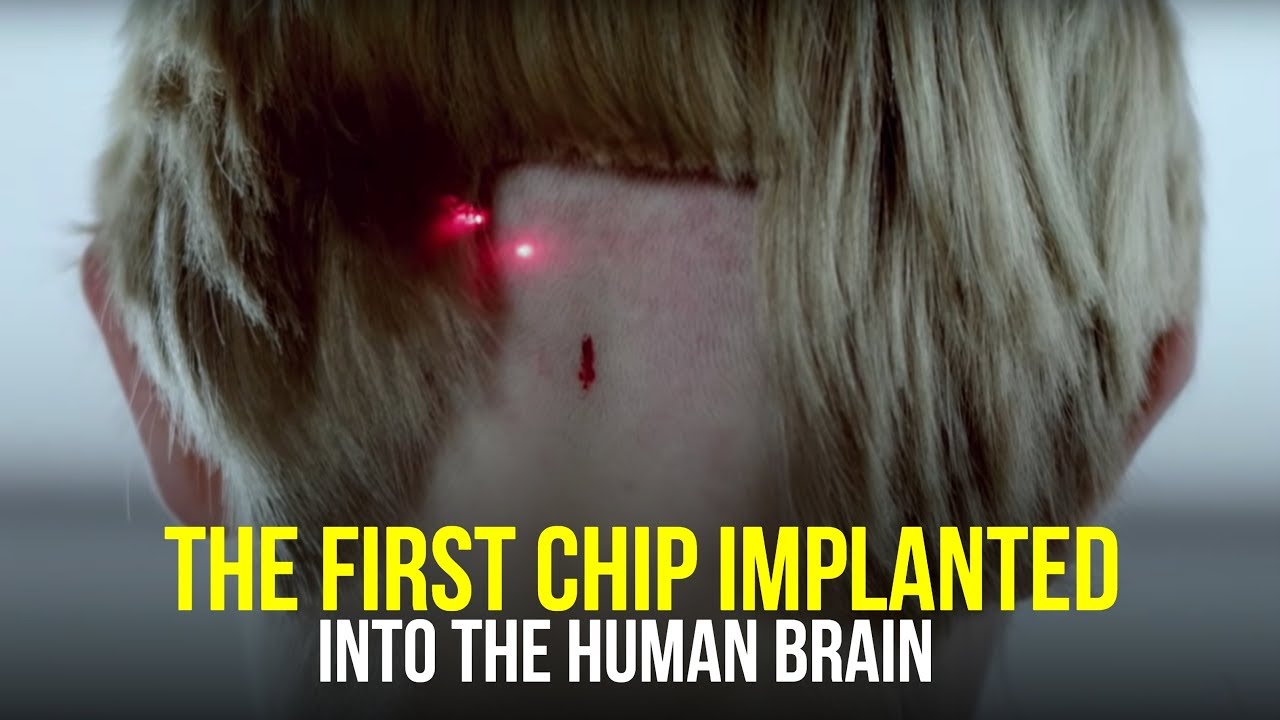
In July 2019, Elon Musk stood in front of reporters and unveiled the first working prototype from Neuralink, the neurotechnology startup he’s funded since 2016. The pitch was part medical device, part existential insurance policy: threads thinner than a human hair, sewn into the cortex by a custom surgical robot, designed to read your neurons and talk to your phone over Bluetooth. Musk wants human trials running as early as late 2020.
- Neuralink’s prototype uses ultra-thin, flexible polymer threads — roughly one-tenth the width of a human hair — implanted directly into the brain cortex by a purpose-built neurosurgical robot.
- The threads connect to an embedded chip, the N1 sensor, which detects neuron spikes and wirelessly relays brain activity to a smartphone or computer via Bluetooth.
- Musk says the goal isn’t just treating paralysis or Parkinson’s — it’s achieving what he calls “symbiosis with artificial intelligence” before AI outpaces human intelligence altogether.
Musk Reveals New Product Features
The centerpiece of the July presentation wasn’t a headline slide — it was a robot. Neuralink built a machine capable of threading its hair-thin electrode arrays into the brain with a precision no human surgeon can match by hand, avoiding blood vessels while placing thousands of contact points across the cortex. Those threads feed into the N1 sensor, a coin-sized chip that reads electrical spikes from individual neurons and streams the data out wirelessly, no wired port sticking out of the skull required.
That last detail matters more than it sounds. Earlier generations of brain-computer interfaces, including academic research implants, have typically required a physical connector protruding from the head. Neuralink’s Bluetooth approach is aimed at making the system usable outside a lab, which is the whole point if the target is a smartphone-controlling paralyzed patient rather than a monitored research subject.
The Medical Pitch: Paralysis, Prosthetics, Parkinson’s
Musk framed the near-term case in strictly clinical terms. He described a system that could let paralyzed patients regain digital autonomy — texting, browsing, controlling a computer — and eventually operate robotic prosthetics directly through neural signal rather than residual muscle movement. He also pointed to neurological disorders like Parkinson’s disease as a target, where a chip reading and potentially stimulating brain activity could manage symptoms in ways current treatments can’t.
That framing puts Neuralink in the same conversation as work on next-generation prosthetics, where the bottleneck has always been the interface between nerve and machine, not the mechanical limb itself. Musk’s bet is that a high-bandwidth chip solves that bottleneck better than surface electrodes or partial nerve grafts ever could.
Musk’s Real Argument Is About AI, Not Medicine
The medical use case is the FDA-friendly version of the pitch. The version Musk actually cares about, and said so repeatedly, is bigger and darker: he believes advanced artificial intelligence could eventually outstrip human cognition so completely that people become irrelevant bystanders to their own future. His answer is to plug directly into the machines rather than compete with them from the outside.
Symbiosis with artificial intelligence.
That’s the phrase Musk kept returning to at the July event — not “treatment,” not “device,” but a merger. It’s consistent with warnings he’s made for years about AI risk, the same instinct behind his early funding of OpenAI, and it lines up with the broader unease captured in pieces like The danger of AI is weirder than you think. For Musk, Neuralink isn’t a side project. It’s the hedge.
The Backlash: Privacy, Hacking, and Who Gets Access
The presentation landed exactly where you’d expect it to — split between people excited about restoring movement to paralyzed patients and people alarmed at the idea of a Bluetooth radio sitting on top of someone’s neural data. A chip that reads neuron spikes and transmits them wirelessly is, by definition, a device that can be intercepted, spoofed, or exploited, and the debate around cybersecurity vulnerabilities tied to that kind of hardware isn’t hypothetical — it echoes concerns already raised around commercial surveillance and hacking tools built for far less invasive targets.
There’s also the blunter question of access. If a chip genuinely boosts cognition or restores capability that others don’t have, the people who can afford Neuralink’s implant first get an advantage the rest of the population doesn’t. That’s the same inequality dynamic that shows up whenever transformative tech arrives expensive and exclusive before it arrives cheap and common — and it’s the piece of Musk’s pitch that even sympathetic observers keep pushing back on.
Neuralink hasn’t filed for FDA approval to begin human trials as of the July 2019 unveiling — Musk’s late-2020 target is a goal, not a scheduled date. Whether the company actually gets a human in the chair before then is the number worth watching, because everything else Musk said about symbiosis with AI depends on that first implant working outside a lab, in a real patient, on schedule.



Sustainable energy: New energy innovations to make the future brighter – Compilation
subnetting is simple
AMAZING TECHNOLOGIES OF THE FUTURE
AI is coming for your jobs…so what?
Intel’s behavior is PATHETIC – Core i9 10980XE Review