

 InfoSearched
A ten-pound helmet with chemical oxygen canisters just became the most-argued-about object on the DEMA Show floor.
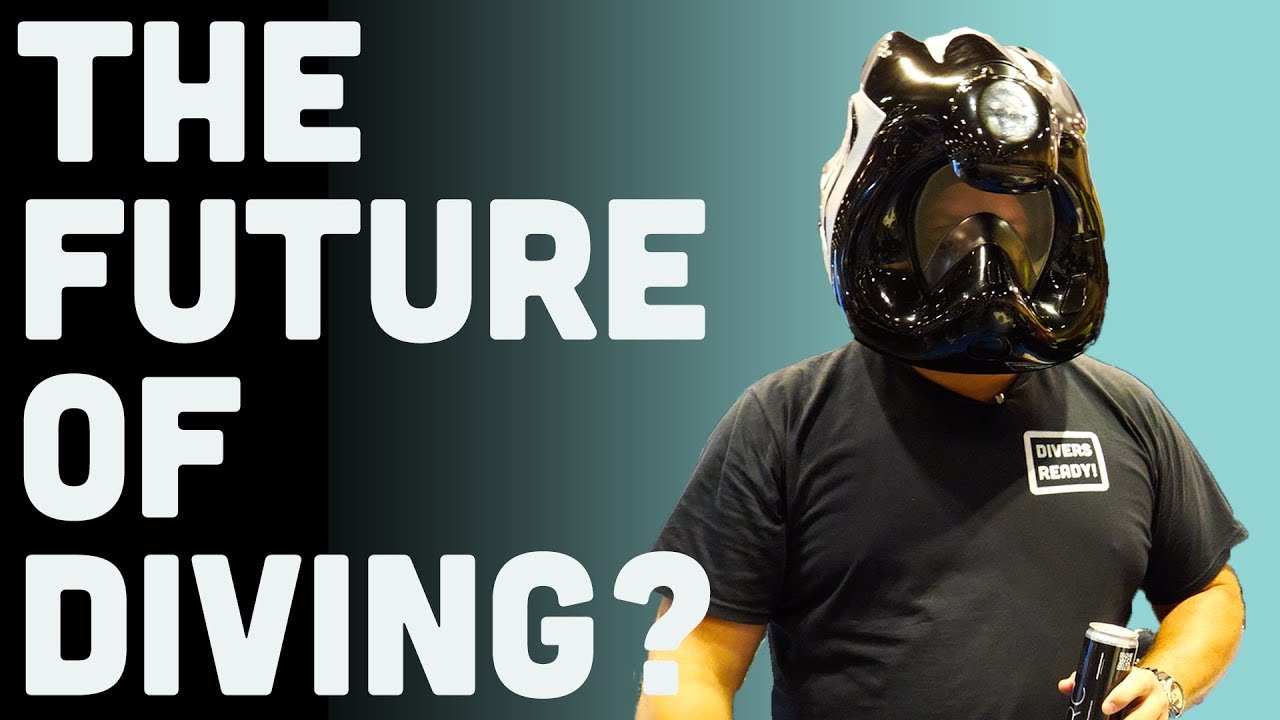
Every diving trade show has a breakout product, but the 2019 Diving Equipment and Marketing Association show in Orlando produced something rarer — a piece of gear that split the room in half. The Russian venture Hydroid unveiled its Aquabreather prototype at the November 13-16 event, and by the time the pool demonstration started, attendees were packed shoulder to shoulder along the deck. Divers Ready host James Blackman was there filming it, and what he captured is equal parts fascination and disbelief.
- Hydroid’s Aquabreather is a self-contained closed-circuit diving helmet that weighs roughly 10 pounds and is designed to replace both open-circuit scuba tanks and conventional rebreathers.
- The unit runs on two proprietary chemical canisters mounted to the helmet that chemically generate breathable oxygen instead of relying on compressed gas cylinders, with a claimed max depth of 42 meters (138 feet) and about 60 minutes of runtime.
- Hydroid quoted a retail price around $3,500 to $4,000 and began taking pre-orders at DEMA, even as veteran technical divers on forums like ScubaBoard raised serious doubts about the chemistry and the company’s lack of undersea manufacturing history.
Blackman Observed Pool Deck Events
Blackman, who covers gear and instruction for the Divers Ready channel, described the scene bluntly: people were either “queuing up to watch a man drown” or convinced they were watching the future of scuba diving arrive in real time. He sat down with Hydroid representative Egor to walk through how the helmet actually functions before watching a live in-pool demo, the kind of hands-on scrutiny that separates a trade-show curiosity from a working product.
People were either queuing up to watch a man drown, or they were eyeing the future of scuba diving.
Visually, the Aquabreather looks like nothing else on a dive boat — part HALO jump helmet, part NASA hardware, part Darth Vader. That silhouette alone was enough to pull crowds away from every other booth on the exhibit floor, but Egor’s pitch to Blackman centered on function over form: no tank, no valves, no bulky rebreather counterlungs strapped to your chest, just a helmet that pops two chemical canisters and cycles the oxygen they release directly to the diver.
The Engineering Pitch
Instead of compressed gas or a scrubber loop pulling from a standard cylinder, the Aquabreather’s canisters chemically generate oxygen on demand. Hydroid says that setup supports dives to 42 meters with roughly an hour of bottom time, and the visor includes an integrated head-up display feeding the diver depth, time, and status information without breaking their line of sight — a concept that echoes other HUD-equipped headgear making the rounds in consumer tech, like the working Mandalorian helmet built with its own HUD that surfaced this year.
At an anticipated $3,500 to $4,000, Hydroid is positioning the Aquabreather well below the cost of a full technical rebreather setup, and the company opened pre-orders on the spot at DEMA rather than waiting on further testing. For an industry that has spent decades refining underwater life-support redundancy, that’s an aggressive go-to-market move for a device nobody outside the booth had actually dived.
Veteran Divers Express Significant Skepticism
The backlash on technical diving forums came fast. Threads on ScubaBoard drew direct comparisons to past dive concepts that generated buzz and then quietly disappeared, and the specific complaints were technical: unverified chemical-oxygen safety margins, scrubber volume that looked small for an hour-long dive, the buoyancy and trim implications of mounting all that hardware on a diver’s head instead of their back, and Hydroid’s absence of any track record building life-support equipment for the water. Those aren’t small objections in a sport where gear failure at 138 feet has no easy fix.
It’s the same tension that runs through a lot of ambitious underwater engineering — the gap between a compelling demo and a certified product divers will trust their lives to, similar to the scrutiny that’s followed other underwater innovations like the underwater imaging research making waves in the diving-adjacent tech space this year.
Blackman didn’t pretend to have the final word after one pool-deck conversation. He told viewers plainly that he’d reserve judgment until he could actually take the Aquabreather diving himself. That’s the real next step here — not another trade-show demo, but an open-water dive with someone who isn’t selling the thing, and until that happens, the $3,500 pre-order line and the skeptics on ScubaBoard are going to keep arguing past each other.




this E–Bike is basically just an Electric Motorcycle you can ride on bike trails
CRAZIEST New Technology Used By The Military Today!
How Microwaving Grapes Makes Plasma
We’ve Found The Magic Frequency (This Will Revolutionize Our Future)
The high-tech future of fashion