

 InfoSearched
MIT’s top energy researchers took the stage in Istanbul to explain how lab breakthroughs actually make it into the grid.
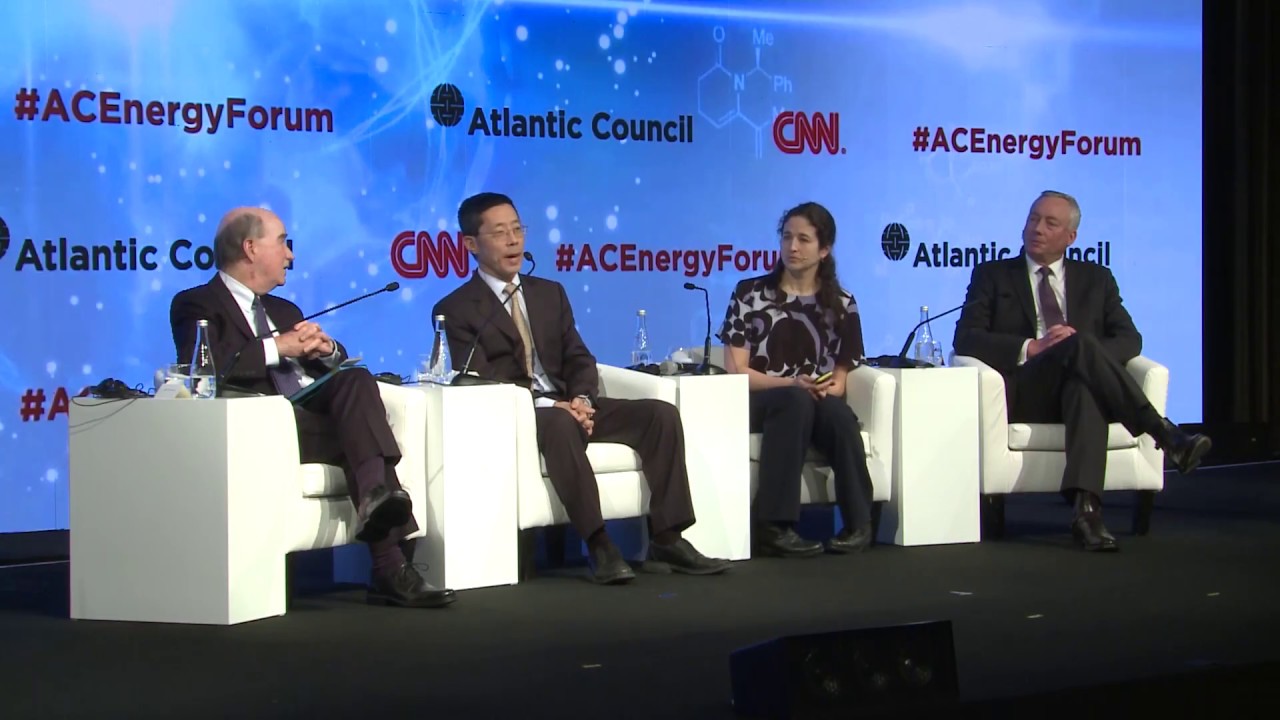
In November 2014, the Atlantic Council Energy and Economic Summit pulled together some of the biggest names in global energy policy — U.S. Vice President Joe Biden, Energy Secretary Ernest Moniz, and Turkish Deputy Prime Minister Ali Babacan among them. Tucked inside that summit was a panel that mattered just as much to engineers as it did to diplomats: three MIT researchers walking through where solar, batteries, and grid-scale mechanical engineering actually stood.
- The panel, “Innovation in Energy Technologies,” was moderated by Robert Armstrong, Director of the MIT Energy Initiative (MITEI).
- Vladimir Bulović told the room solar’s share of global electricity generation had jumped from under 0.1% to roughly 0.8% in just a few years — nearly a tenfold increase.
- Yet-Ming Chiang and Alex Slocum rounded out the panel, covering battery storage materials and large-scale mechanical systems, respectively.
Framing the Stakes
Armstrong opened by tying MIT’s research agenda directly to the summit’s bigger geopolitical conversation, arguing that energy R&D can’t be siloed away from economics or national security. His framing set the tone for everything that followed on the panel.
Emerging technologies will drive energy innovation for the next decade and beyond. Innovation lowers the cost of renewable energy, and thereby lowers the bar policy has to achieve to get us to a low-carbon future.
That line was less a soundbite than a thesis for the whole session — the idea that cheaper solar panels and better batteries do more heavy lifting for climate policy than any single mandate could.
Solar’s Fast Climb
Vladimir Bulović, MIT’s Associate Dean of Engineering for Innovation and co-director of the MIT Innovation Initiative, laid out the numbers on photovoltaics. Solar’s slice of global electricity generation had gone from under 0.1% to about 0.8% in a matter of years — a nearly tenfold jump that, at the time, was one of the clearest signals that panel costs were finally falling fast enough to matter at grid scale. Readers tracking how that early momentum has since compounded can find more on the current mix of options in Top 10 Energy Sources of the Future.
The Storage Bottleneck
Yet-Ming Chiang, the Kyocera Professor of Materials Science and Engineering at MIT, used his portion of the panel to address what was — and still is — the industry’s biggest headache: storage. Chiang detailed materials-science approaches aimed at stretching battery lifespan, scaling systems up, and bringing costs down enough to make storing wind and solar power economically viable rather than a subsidy-dependent afterthought. That storage conversation runs through a lot of the work covered in Sustainable energy: New energy innovations to make the future brighter.
Engineering at Grid Scale
Alex Slocum, MIT Professor of Mechanical Engineering, closed the technical portion with a different angle entirely — big, physical systems engineering. Slocum talked through grid-level integration challenges, ways to boost wind turbine efficiency, and mechanical approaches to mitigating environmental hazards like oil spills. It was a reminder that clean energy’s toughest problems aren’t always chemistry; sometimes they’re just mechanical and logistical.
Taken together, the three presentations backed up Armstrong’s opening point: MITEI’s bet was that R&D aimed squarely at cost reduction — not mandates — would do the most to speed up adoption of solar, storage, and grid technology on a global scale. That was the pitch MIT brought to a room full of energy ministers in Istanbul, and it’s the same pitch that’s driven the Energy Initiative’s work in the years since.







Real-life ‘Iron Man’ showcased his jetpack technology to military teams.
Goodbye Silicon! Your Next Computer Chip Could Be Made of Gallium Oxide
New technology makes troops invisible
The danger of AI is weirder than you think
10 SECRET Military Technologies