

 InfoSearched
A CES floor walk turns into a real-world test of how much power your house actually needs.
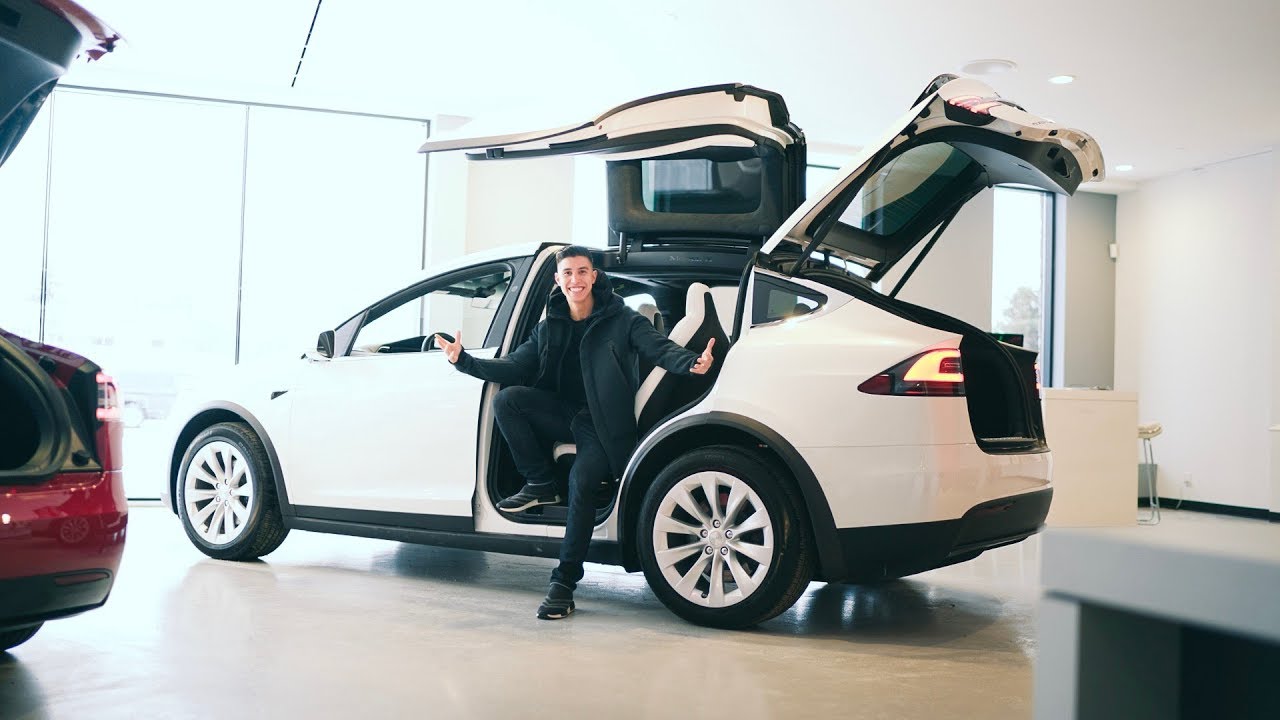
Karl Conrad spent part of his CES coverage this year away from the flashiest booths, tracking down the gadgets built to shave dollars off a power bill rather than impress with specs. In “The FUTURE of Energy Efficient Technology!” the Canadian tech YouTuber walks the show floor testing smart-home power management systems, portable power stations, and other hardware pitched at cutting domestic energy waste. It’s hands-on gadget coverage, not a policy lecture — Conrad picks up the units, checks the displays, and asks the reps how the numbers actually work.
- Conrad’s video is part of his broader CES trade-show coverage, focused specifically on energy-saving consumer hardware rather than general gadgetry.
- The showcase centers on three categories: smart-home power management systems, portable power stations, and eco-friendly consumer electronics built for off-grid or reduced-grid use.
- The angle is practical rather than theoretical — Conrad frames the segment around cutting real home utility costs, not abstract climate discussion.
Conrad’s Actual Testing Methodology
Rather than narrating from a press release, Conrad approaches each booth the way he does his other CES coverage — picking up units, reading the panel readouts, and pressing reps on what the wattage claims mean in a real house. The hardware he covers falls into a specific bucket: gear that lets a household track, throttle, or store its own power rather than just pull more of it off the grid. That’s a narrower lane than the usual CES “smart home” pitch, and it’s why the video reads more like a buyer’s walkthrough than a trend piece.
Portable power stations get a good chunk of his attention — battery units marketed for off-grid backup, camping, or simply avoiding a spike in the monthly bill during peak-demand hours. Readers who want a sense of how that category has evolved can see the same trend covered in InfoSearched’s rundown of 9 amazing new gadgets you can buy on Amazon and online, several of which lean on the same battery-storage logic Conrad walks through here.
Smart-Home Power Management on the Floor
The other half of Conrad’s coverage lands on smart-home energy systems — the sensor-and-app combinations designed to show a household exactly where its electricity is going, room by room, appliance by appliance. It’s the kind of hardware that doesn’t generate new power at all; it just stops a house from wasting the power it already has, which is a cheaper problem to solve than swapping out a utility connection.
The pitch on the floor wasn’t generating more power — it was making sure none of it went to waste.
That distinction matters for anyone shopping this category: energy *storage* hardware and energy *management* hardware solve two different problems, and Conrad’s walkthrough treats them as separate booths for a reason. For a deeper look at how storage tech factors into the bigger energy picture, InfoSearched’s coverage of Top 10 Energy Sources of the Future covers the grid-scale side of the same conversation Conrad is having at the consumer level.
CES Continues Supporting This Category
CES has leaned harder into home-energy hardware in recent years because the audience for it has changed — it’s no longer just off-grid hobbyists, it’s homeowners trying to cut a bill that keeps climbing. Conrad’s video captures that shift by treating power stations and smart monitors as mainstream consumer electronics rather than a niche sustainability booth tucked in a back corner.
It also lines up with the direction covered in InfoSearched’s look at MIT’s Breakthrough Energy Technologies — the research side of the industry is chasing the same goal Conrad’s finding on the show floor: make energy use visible and controllable at the household level, not just at the utility level.
Conrad wraps the segment the way he usually does his CES coverage — no grand thesis, just a rundown of what’s actually shippable and what’s still a prototype behind glass. If this category keeps growing at the pace CES suggested this year, expect his next trade-show video to spend even less time on the concept booths and more time with a power station plugged into a wall, showing the readout.




Machine Learning: Living in the Age of AI | A WIRED Film
Watch Blue Origin’s New Shepard Rocket Launch and Land – NS-12 Mission
Tesla Autopilot Drives Straight Towards Concrete Barrier on Highway
My Regrets as a Computer Science Student
Tesla Earthquake Machine [3D Printed]