

 InfoSearched
A bionic leg carried one amputee up more than 100 floors of a Chicago skyscraper — and that was just the beginning of what prosthetics can now do.
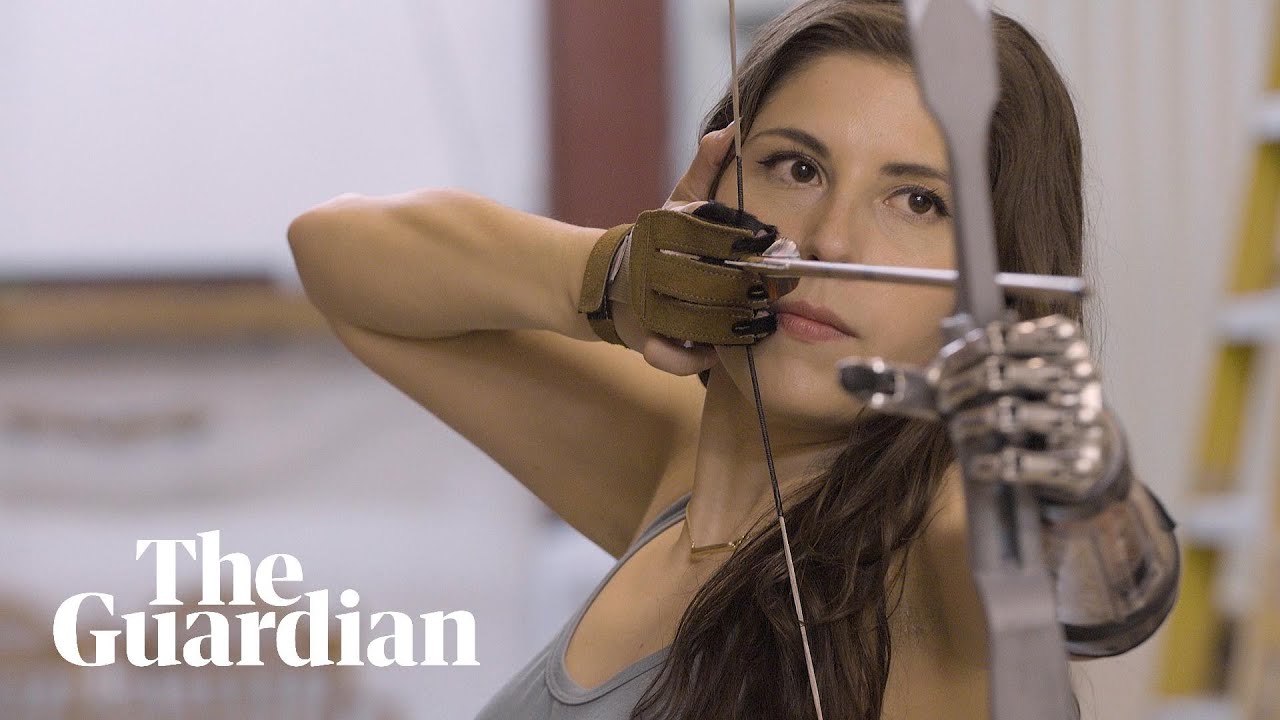
The Guardian’s 2018 documentary “Beyond Bionics: How the Future of Prosthetics Is Redefining Humanity” traces the leap from wooden pegs and body-powered hooks to limbs wired with sensors, artificial intelligence, and materials engineered to move like tissue and bone. It’s a film about function first — walking, gripping, typing — but it doesn’t stop there. It asks what happens once prosthetics stop replacing lost ability and start exceeding it.
- The film contrasts low-cost, DIY prosthetics made possible by 3D-printing with high-end bionic limbs built around AI and responsive sensors.
- Zac Vawter became the first person to climb more than 100 floors of Chicago’s Willis Tower in 2012 using a bionic leg — a benchmark moment for what powered prosthetics can do.
- Amputees and innovators featured in the documentary push back on the “superhuman” media narrative, pointing instead to real gaps in accessibility and everyday functionality.
From Peg Legs to Programmable Limbs
Prosthetics spent most of their history as passive hardware — a wooden leg, a hook for a hand, nothing that talked back to the body wearing it. The documentary lays out how that changed once engineers started building limbs that could be integrated into the body’s own signaling system rather than simply strapped onto it. The result is a prosthetic that doesn’t just replace a limb’s shape; it starts replacing some of its function.
That shift matters because it changes what’s actually possible for the person wearing the device. Instead of a static tool, a modern bionic limb becomes something closer to a partner in movement — one that can be trained, calibrated, and improved over time the way any piece of connected hardware can, a theme that echoes coverage of brain-computer interface technology pushing into similar territory.
The Sensor Breakthrough
The technical leap the film keeps returning to is sensing. Advanced prosthetics now read muscle movement and nerve impulses directly off the body and translate those signals into limb motion — the difference between a hand that opens and closes on command and one that can adjust its grip depending on what it’s holding. That’s what lets users move into tasks like typing or tying knots, not just walking or climbing stairs.
Vawter’s climb is the clearest illustration the documentary offers of what that sensor integration means in practice. He wasn’t just wearing a leg — he was operating one that interpreted his own signals well enough to carry him up a skyscraper.
Zac Vawter didn’t just walk up more than 100 floors of Chicago’s Willis Tower in 2012 — he climbed them on a bionic leg that read his own nerve signals to do it.
DIY Printing Versus High-End Bionics
Not every advance in the film comes from a research lab budget. The documentary spends real time on 3D-printed prosthetics, which have driven down the cost of basic devices enough to put them within reach of amputees who’d otherwise have no access to a functional limb at all. It’s a very different track from the sensor-laden, AI-driven bionics being developed at the high end, but the film treats both as part of the same story — one closing an accessibility gap, the other pushing the ceiling on what’s biologically possible, in the same spirit as the innovations tracked on lists like the most promising medical technologies reshaping patient care.
That split is the honest picture the documentary insists on: cutting-edge bionics make headlines, but cheap, printable limbs are doing more of the day-to-day work of getting people mobile.
The Gap Between Superhuman Headlines and Daily Use
Where the film gets pointed is in letting amputees and innovators push back on how bionics get covered in the press. Media coverage tends to frame recipients as “superhuman,” but the people actually wearing these devices talk instead about battery life, calibration, cost, and the everyday friction of using a limb that isn’t quite as forgiving as the headlines suggest. The documentary treats that tension — glamorized coverage against day-to-day functionality — as central to understanding where this technology actually stands, a debate that runs parallel to broader conversations captured in pieces like medical procedures improving lives without the hype attached.
It also raises the harder question sitting underneath all of it: at what point does a prosthetic stop restoring lost function and start pushing past what a biological limb could ever do. The film doesn’t resolve that question — it just makes clear that the engineers building these devices are already running into it.


The Five Laws of Cybersecurity | Nick Espinosa | TEDxFondduLac
First Manned Aerobatic RACING Drone – Will it FLIP? ????
Futuristic Technology You Can Buy Today
Your Life, Brought to You by Video Games
This Man Launched a New Internet Service Provider from His Garage | Freethink DIY Science